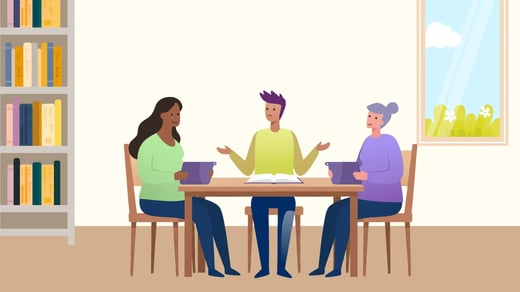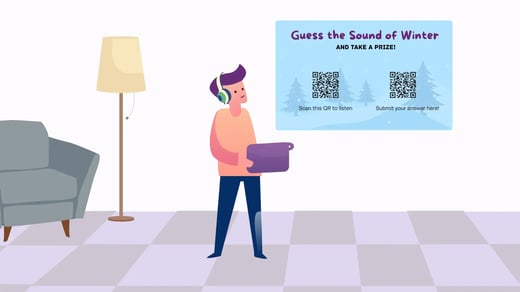
Library spaces today are places where people study, discuss, make something new and spend time together. For families, this often means one parent focused on a task while a child needs something meaningful to do nearby. When library design supports families in these moments, the space feels calmer, more inclusive, and easier for everyone to use.
Why family-focused library design matters
Families use libraries differently from individual users. Parents often arrive with a clear purpose and limited time. Children arrive curious, energetic, and easily bored.
When library design does not support both at once, staff step in to mediate. That adds pressure to already busy service desks and can make families feel like they are “in the way”, even when they are not.
Designing library spaces for families helps you:
- Reduce noise and tension around public PCs
- Support digital inclusion without separating families
- Create calmer shared environments
- Ease the daily workload for staff
When library spaces are designed with families in mind, behaviour is guided by the environment itself, not by extra rules or constant staff involvement.
 A simple design shift can change the experience entirely
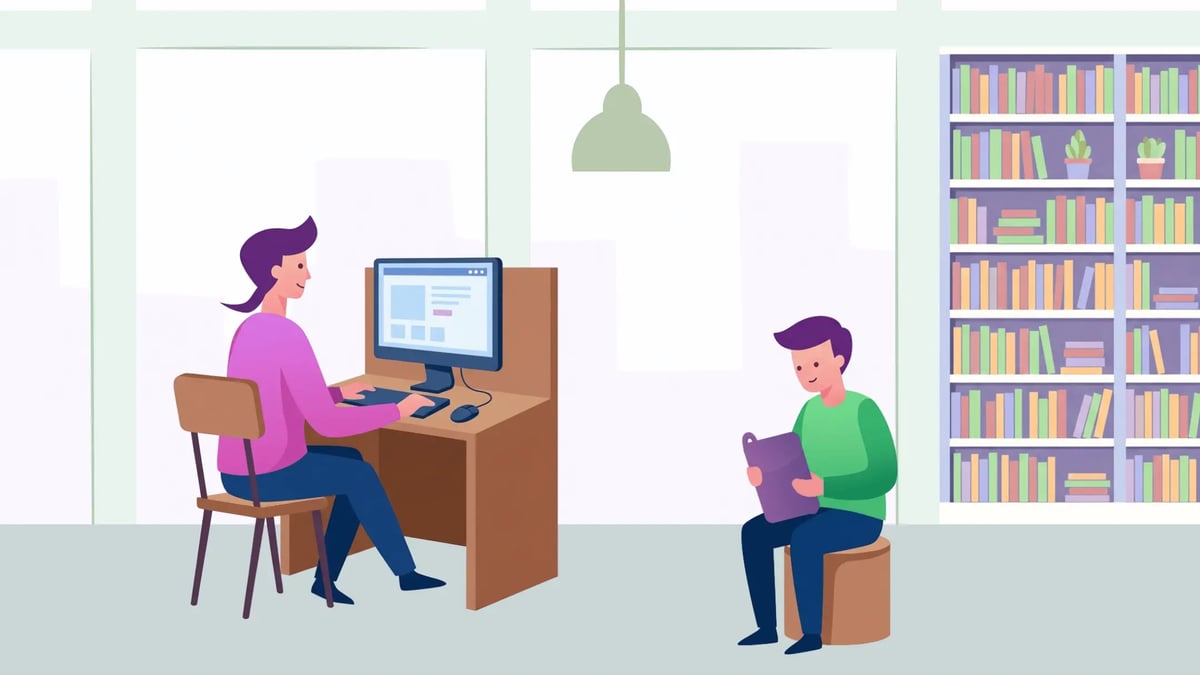
Placing shared tablets near public PCs allows children to stay close while engaging with age-appropriate content. Parents remain focused. Children feel occupied, not sidelined. The space stays calm.
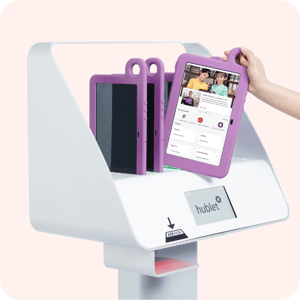
This setup works especially well when tablets are self-service and reset automatically between sessions. One example is the Hublet Solution, which supports curated content for different age groups without staff needing to manage each interaction. It fits naturally into existing library layouts without turning staff into tech support.
Read: How to Use Tablets for Public Use
Other design options for family-friendly library spaces
Not every library will choose the same tools. What matters is intention. Here are additional ways libraries support parents and children through thoughtful design.
Low-distraction activity corners
Small activity areas with puzzles, drawing materials, or quiet games work well when placed within sight of adult workstations. Children stay engaged without drawing attention from others.
Clear visual cues for shared spaces
Floor markings, signage, or furniture placement help families understand where children are welcome. This reduces uncertainty and helps staff avoid constant explanations.
Digital content designed for short sessions
Children often use library resources in short bursts. Tablets or screens with simple, intuitive content support this naturally and reduce frustration.
Read: Useful Apps to Add on Your Library Tablets
How this helps staff as much as families
Good library design for families reduces the number of small interruptions that pull staff away from their core work. When spaces guide behaviour, staff do not need to.
Libraries support parents and children through design often see:
- Fewer complaints about noise
- Less ad hoc supervision
- Smoother use of public PCs
- More confident family users
Designing for inclusion, not separation
Library spaces work best when families do not need to choose between access and comfort. Library design for families keeps people together while respecting different needs.
When children are given something meaningful to do nearby, parents stay focused. Staff stay available. The library feels welcoming rather than tense.
Good digital design makes shared spaces easier for patrons to use and easier for staff to manage. When families feel supported, the whole library community benefits.