Libraries are under pressure to do more with less. Space is limited, budgets are tight, and demand for flexible access keeps growing. One clear opportunity is how libraries manage physical books, especially when the same material is needed by many people at once.
By rethinking how content is shared, libraries can reduce physical books in libraries while still supporting reading, learning, and community activities.
Book discussion groups expose the challenge
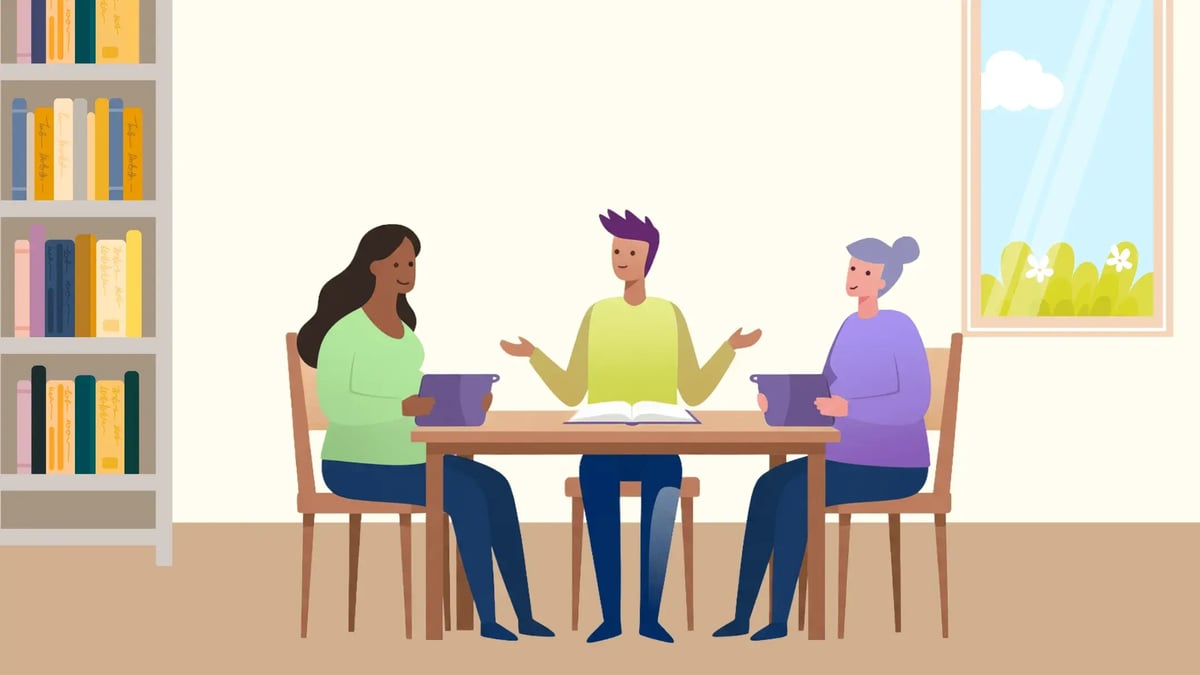
A book discussion group often needs several copies of the same title at the same time. Buying multiple physical books increases costs and creates storage issues once the discussion ends. Copies can be delayed, damaged, or unavailable, which disrupts the book discussion experience.
This is where tablets for book discussion groups make a real difference. Instead of purchasing multiple copies, libraries can provide library ebooks on shared tablets. Every participant gets access to the same title, for the same period, with no waiting and no duplication.
Using tablets for book discussion groups supports the discussion without adding pressure to shelves or staff workflows. It also makes it easier to run multiple book discussion sessions in parallel.
Library ebooks as shared resources
Library ebooks work especially well for group use. One digital title can support many readers across several sessions. Font size, contrast, and language settings help more people participate comfortably, without extra purchases.
When libraries use library ebooks alongside printed collections, they can reduce physical books in libraries gradually and intentionally. Physical books remain available for those who prefer them, while high-demand titles move to shared digital access.
Over time, this balance helps libraries manage costs and space without reducing choice.
Read: Benefits of Online Libraries for Modern Librarians
Digital magazines without the clutter
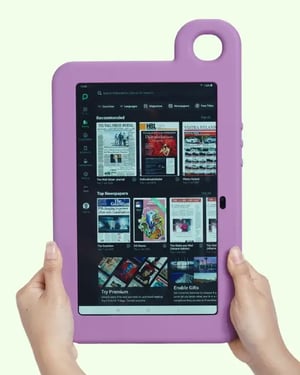
Newspapers and magazines create a similar challenge. Print issues take up space, require regular replacement as new issue comes, and are usually read by one person at a time. Digital magazines remove these limits.
With digital magazines, multiple users can read the same issue on shared devices. There are no missing copies, no storage piles, and no outdated editions left on tables. For libraries, digital magazines are a simple way to keep collections current while cutting down on print handling.
As part of a wider strategy to reduce physical books in libraries, digital magazines help free up space for study, events, or community use.
Self-service access that works for everyone
Shared tablets only succeed when they are easy and safe to use. Self-service lending solution like Hublet allows visitors to borrow a device independently, just like borrowing physical books. Through personal profiles, libraries can ensure each session feels private, even on shared devices.
Shared tablets like Hublet help book discussion groups grow without increasing printing or storage costs. Digital books are accessed on-demand, and user data is cleared automatically after each session. This reduces staff workload while supporting wider participation and sustainable library operations.
A simpler way to manage demand
When libraries shift high-demand reading to shared tablets, everyday pressure eases. Fewer duplicate purchases, fewer items to track, and more space for people rather than storage.
Library ebooks and digital magazines work well for repeat and short-term use. Tablets for book discussion groups ensure every participant has access to the same material, without delays or extra copies. Staff spend less time managing physical books and more time supporting readers.
The result is practical and visible: lower print costs, smoother access to content, and collections that adapt easily as reading habits change.